

Team leader training cycle completed at Incap Slovakia
Team leaders play a unique role in production organisations. As the first link in the management chain, they are in daily contact with production teams and have a direct influence on how work is organised, goals are achieved and people are supported.
Incap Slovakia completed a development project focused on strengthening the leadership and soft skills of team leaders and their deputies. A total of 10 participants took part in the training cycle.
The programme was designed based on a needs analysis that combined feedback from the 2024 employee opinion survey with questionnaires completed by the team leaders themselves, as well as input from the production manager and managing director. Based on this analysis, the training focused on key topics such as communication, giving and receiving feedback, assertiveness, effective listening, personality typology, teamwork and people management.
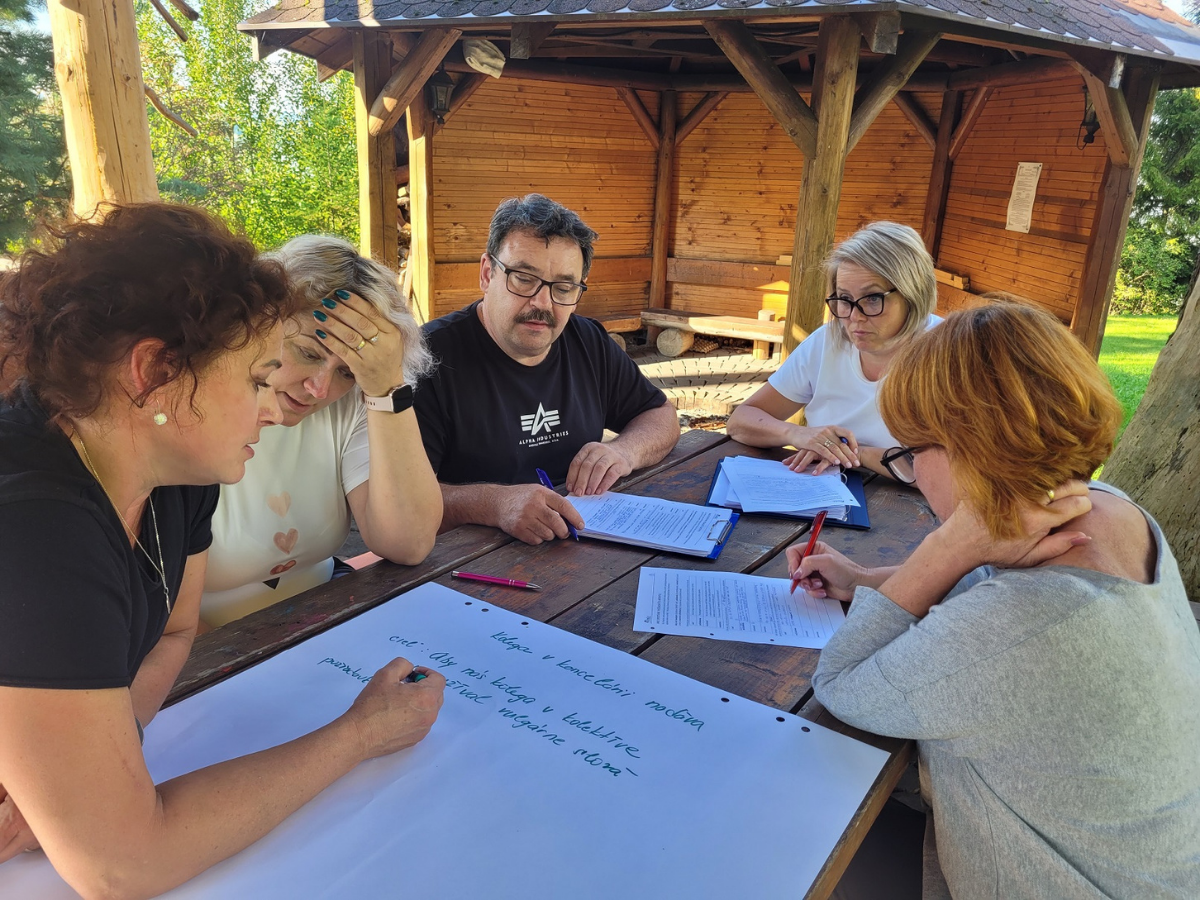
The training project included interactive workshops and practical learning methods, such as management games, group discussions, pair work, feedback exercises and presentations. In addition to classroom sessions, participants also worked on their own improvement projects. In pairs, they identified a real challenge in their workplace, proposed solutions and implemented them, using the SMART methodology to ensure that results were measurable.
According to the training lecturer, Josef Vodak, the programme achieved measurable progress in several core leadership areas. Participants strengthened their communication skills, improved their ability to set clear expectations, manage performance and handle disagreements more effectively, and developed their approach to situational leadership and team motivation. The practical projects were highlighted as one of the strongest outcomes, as participants independently applied their new skills to improve the efficiency of their teams.
Throughout the project, senior leaders, the production manager and the executive team were also involved to support knowledge transfer and ensure that the development continues beyond the training cycle. This involvement is seen as an important factor in making the results sustainable in everyday work.
Participants valued the opportunity to take part in the programme and noted improvements particularly in assertiveness, active listening and feedback skills. Many also highlighted increased self-confidence in their role as team leaders and better cooperation within their teams.
The completed training cycle confirmed that investing in leadership development has a direct impact on team effectiveness and contributes positively to the overall working culture.